ISRAEL
SEA OF GALILEE
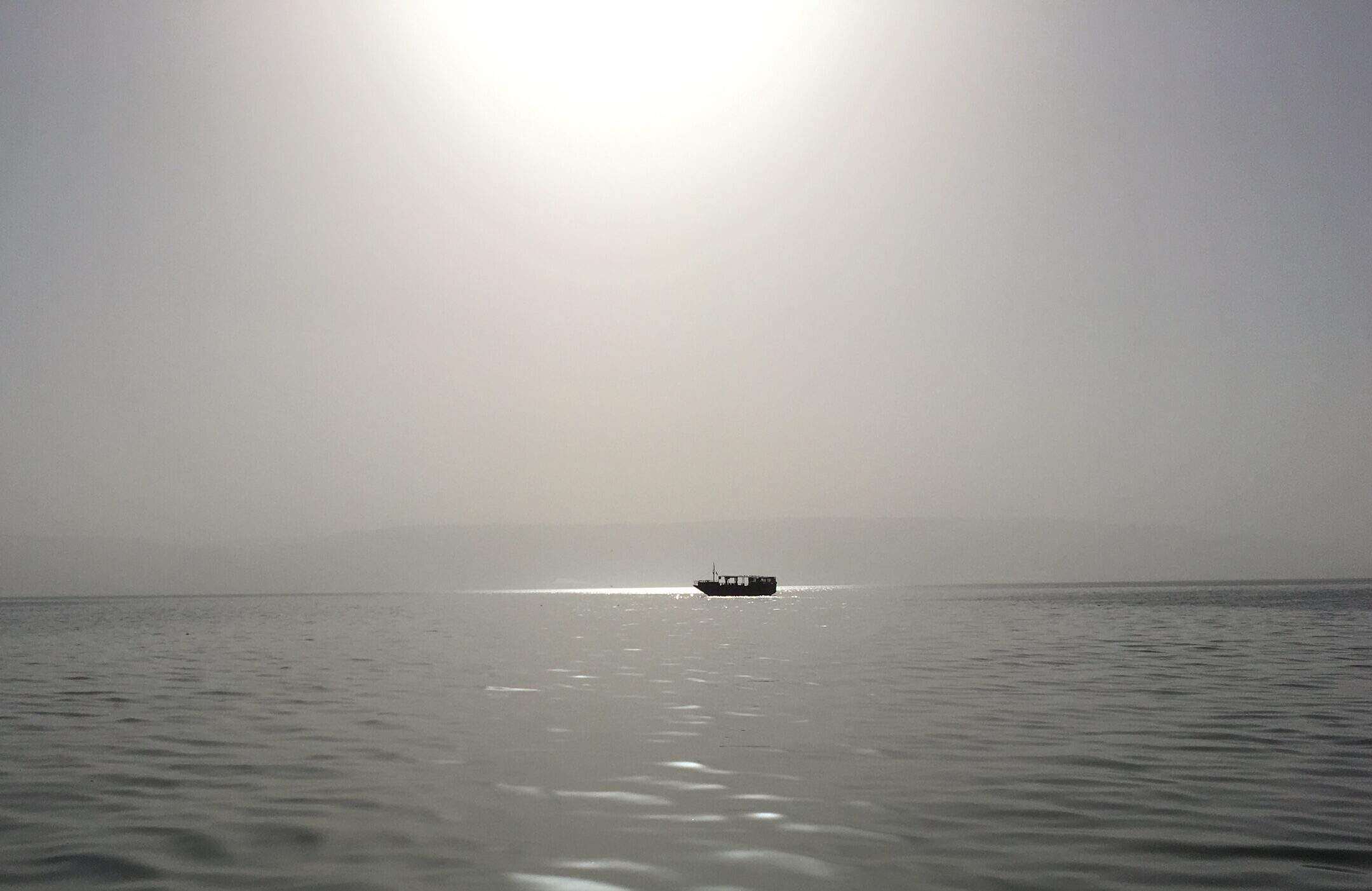
The Sea of Galilee was the center of much of Jesus Christ’s public ministry. Many of His teachings, miracles, and encounters took place in the towns surrounding the lake. The Gospel of Matthew records Jesus calling His first disciples by the sea, preaching throughout Galilee, healing the sick, and walking on the water (Matthew 4:18–25; 14:22–33). Mark emphasizes His authority over nature when He calmed a violent storm with the words, “Peace, be still” (Mark 4:35–41). Luke describes Jesus teaching from Simon Peter’s boat, the miraculous catch of fish, and numerous healings that revealed His divine power (Luke 5:1–11, 17–26). John records the feeding of the five thousand near the Sea of Galilee (John 6:1–15). Together, the four Gospels portray the Sea of Galilee as the setting where Jesus taught the crowds, called the disciples, healed the blind, lame, and demon-possessed, fed multitudes, calmed the raging sea, walked on water, and revealed His identity as the Son of God.
Capernaum
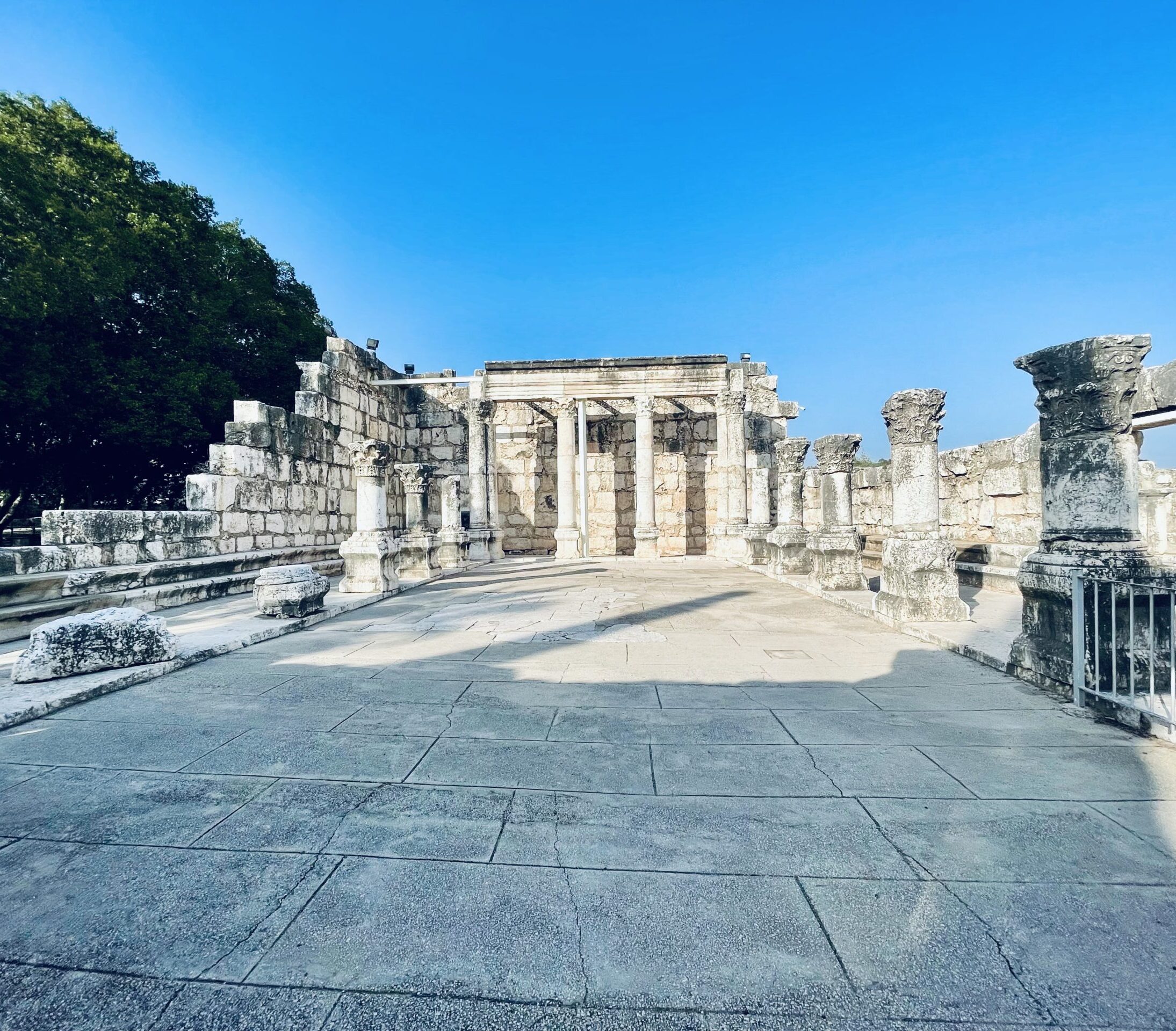
Capernaum was one of the most important locations in the earthly ministry of Jesus Christ and is often referred to as His ministry headquarters in Galilee. After leaving Nazareth, Jesus settled in Capernaum, fulfilling the prophecy of Isaiah that a great light would shine in the regions of Zebulun and Naphtali, bringing hope to those dwelling in darkness (Isaiah 9:1–2; Matthew 4:13–16).
This move established the town as the center of much of His teaching, preaching, and miracle-working ministry. The ruins of the ancient synagogue where Jesus taught, and the excavated house traditionally identified as Peter’s home—later expanded into a church by early Christians—still stand today as key archaeological sites.
Mount of Beatitudes
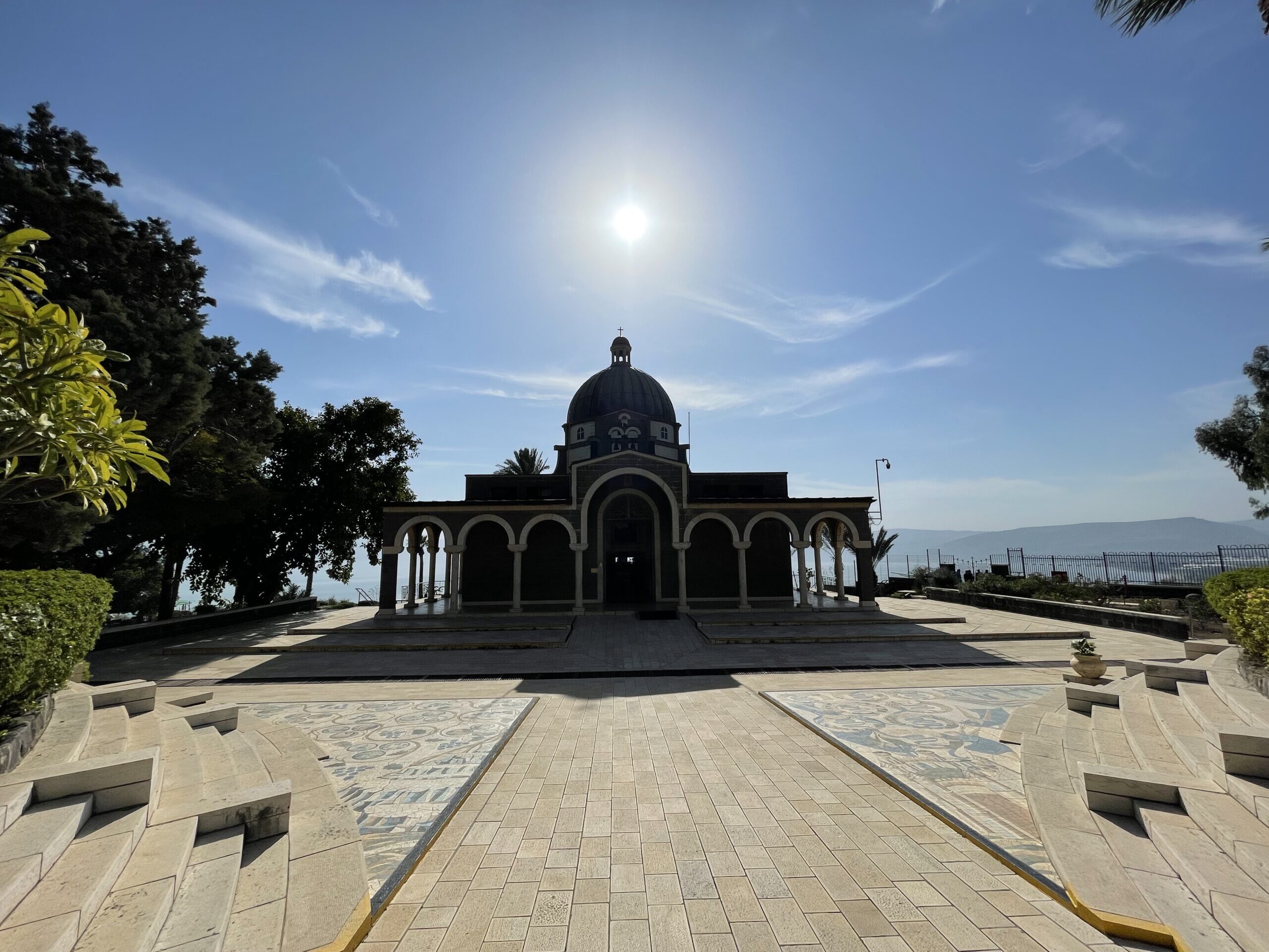
The Mount of the Beatitudes, a gentle hillside rising on the northwestern shore of the Sea of Galilee near ancient Capernaum in modern-day Israel, is traditionally identified as the site where Jesus ascended the mountain to deliver the Sermon on the Mount (Matthew 5:1-7:29). Here he proclaimed the eight Beatitudes (Matthew 5:3-10). They are:
- “Blessed are the poor in spirit, for theirs is the kingdom of heaven.” (Matthew 5:3)
- “Blessed are those who mourn, for they will be comforted.” (Matthew 5:4)
- “Blessed are the meek, for they will inherit the earth.” (Matthew 5:5)
- “Blessed are those who hunger and thirst for righteousness, for they will be filled.” (Matthew 5:6)
- “Blessed are the merciful, for they will be shown mercy.” (Matthew 5:7)
- “Blessed are the pure in heart, for they will see God.” (Matthew 5:8)
- “Blessed are the peacemakers, for they will be called children of God.” (Matthew 5:9)
- “Blessed are those who are persecuted because of righteousness, for theirs is the kingdom of heaven.” (Matthew 5:10)
QUMRAN
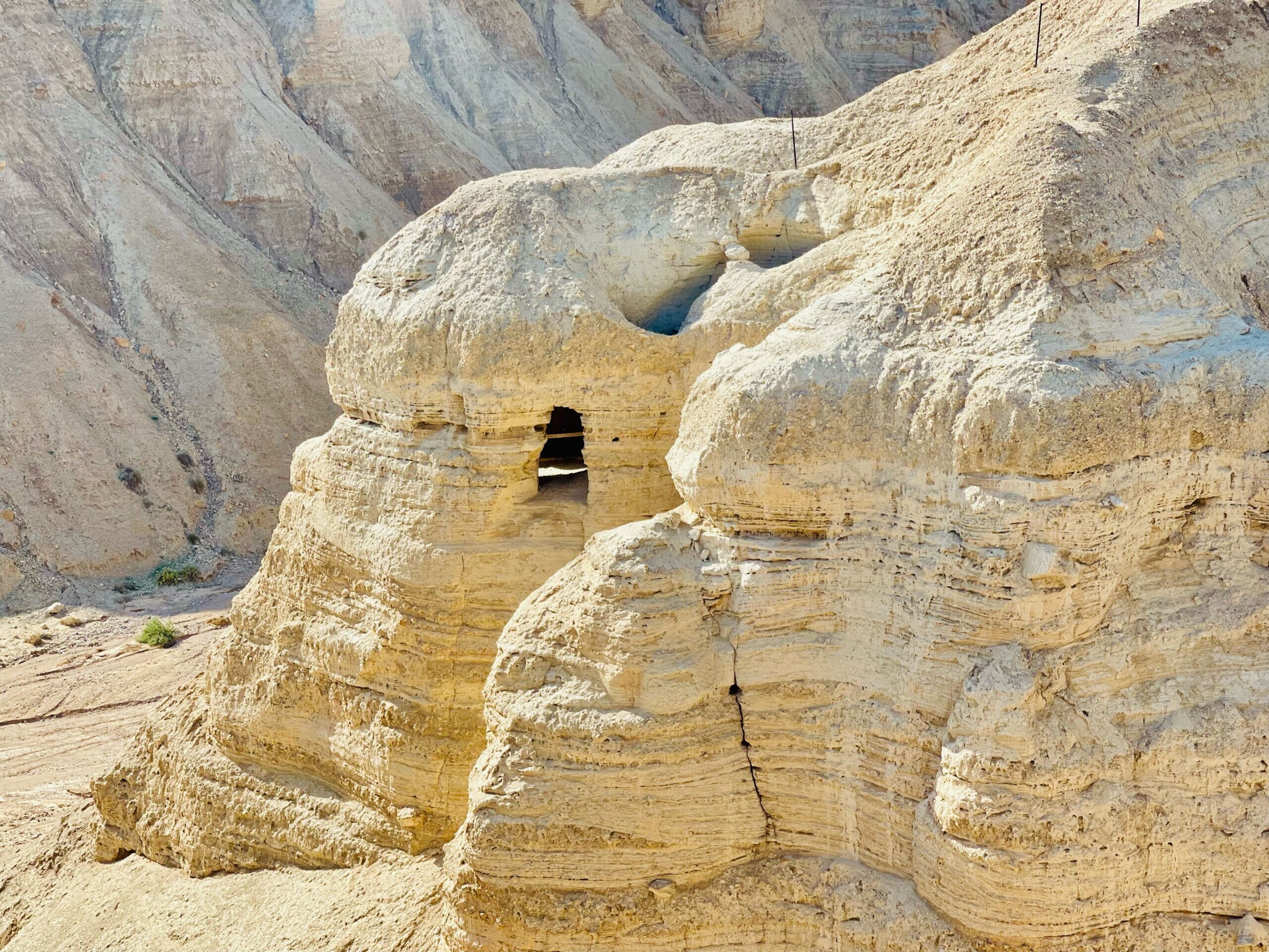
Here is Cave 4—one of the most important archaeological discoveries in biblical history. Unlike the other caves, Cave 4 was carved into the marl terrace and yielded over 500 manuscripts, making up the majority of the Dead Sea Scrolls. These texts include portions of nearly every book of the Old Testament, along with community writings from a Jewish sect often identified with the Essenes.
While Qumran itself is not directly named in Scripture, this region lies in the wilderness of Judah, echoing passages like Isaiah 40:3: “A voice of one calling: ‘In the wilderness prepare the way for the Lord.’” This same wilderness setting is later connected to the ministry of John the Baptist in Matthew 3:1.Cave 4 reminds us that God’s Word was faithfully preserved.
BETHABARA
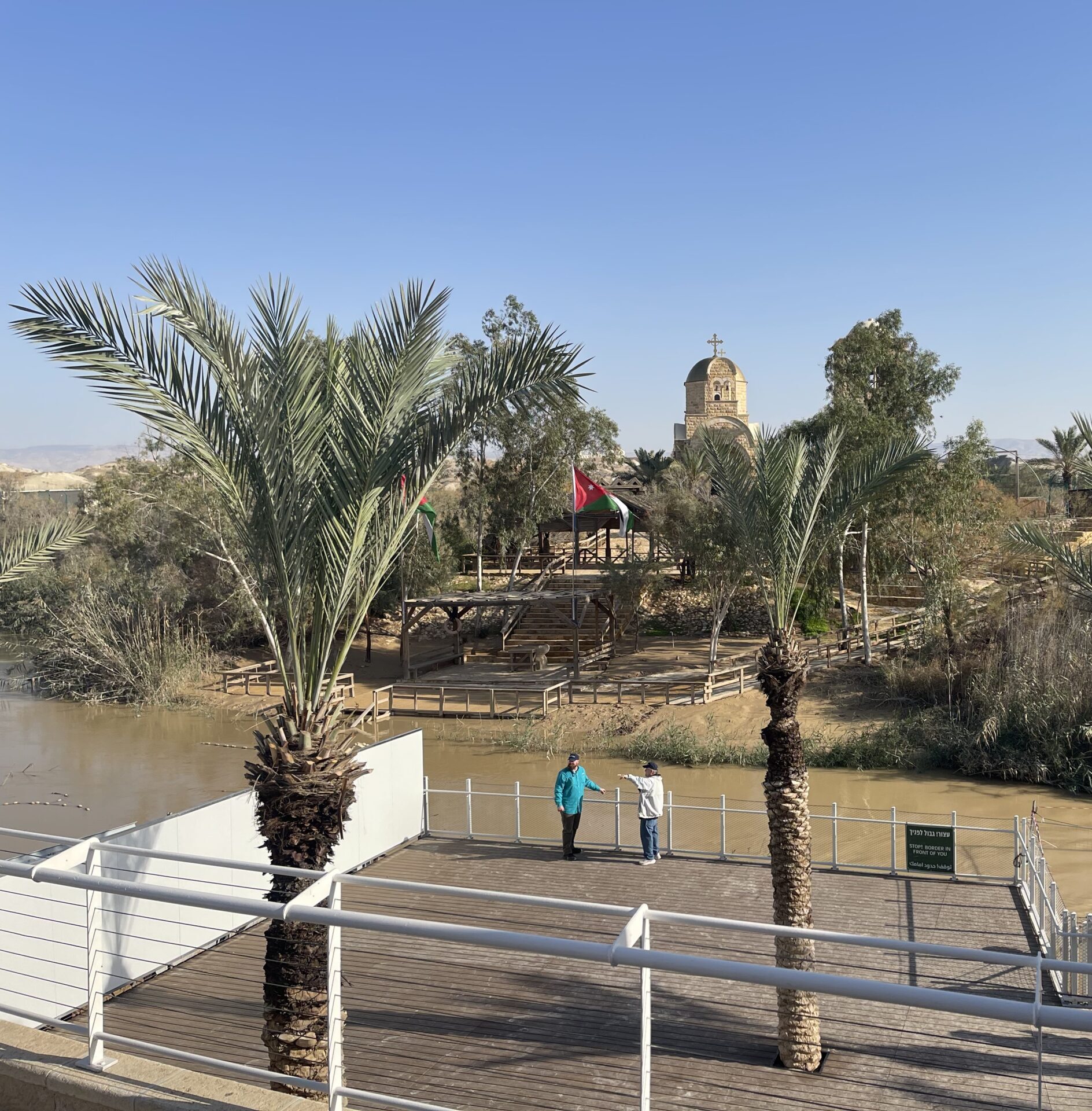
Bethabara, also known as Bethany beyond the Jordan, is traditionally identified as the place where John the Baptist baptized Jesus. The Gospel of John specifically locates the event there, stating, “These things were done in Bethabara beyond Jordan, where John was baptizing” (John 1:28, KJV), while many modern translations refer to it as “Bethany beyond the Jordan.” This site marks the beginning of Jesus’ public ministry, where the heavens opened, the Holy Spirit descended like a dove, and the Father declared, “This is my beloved Son” (Matthew 3:13-17; Mark 1:9-11; Luke 3:21-22; John 1:29-34).
JERUSALEM
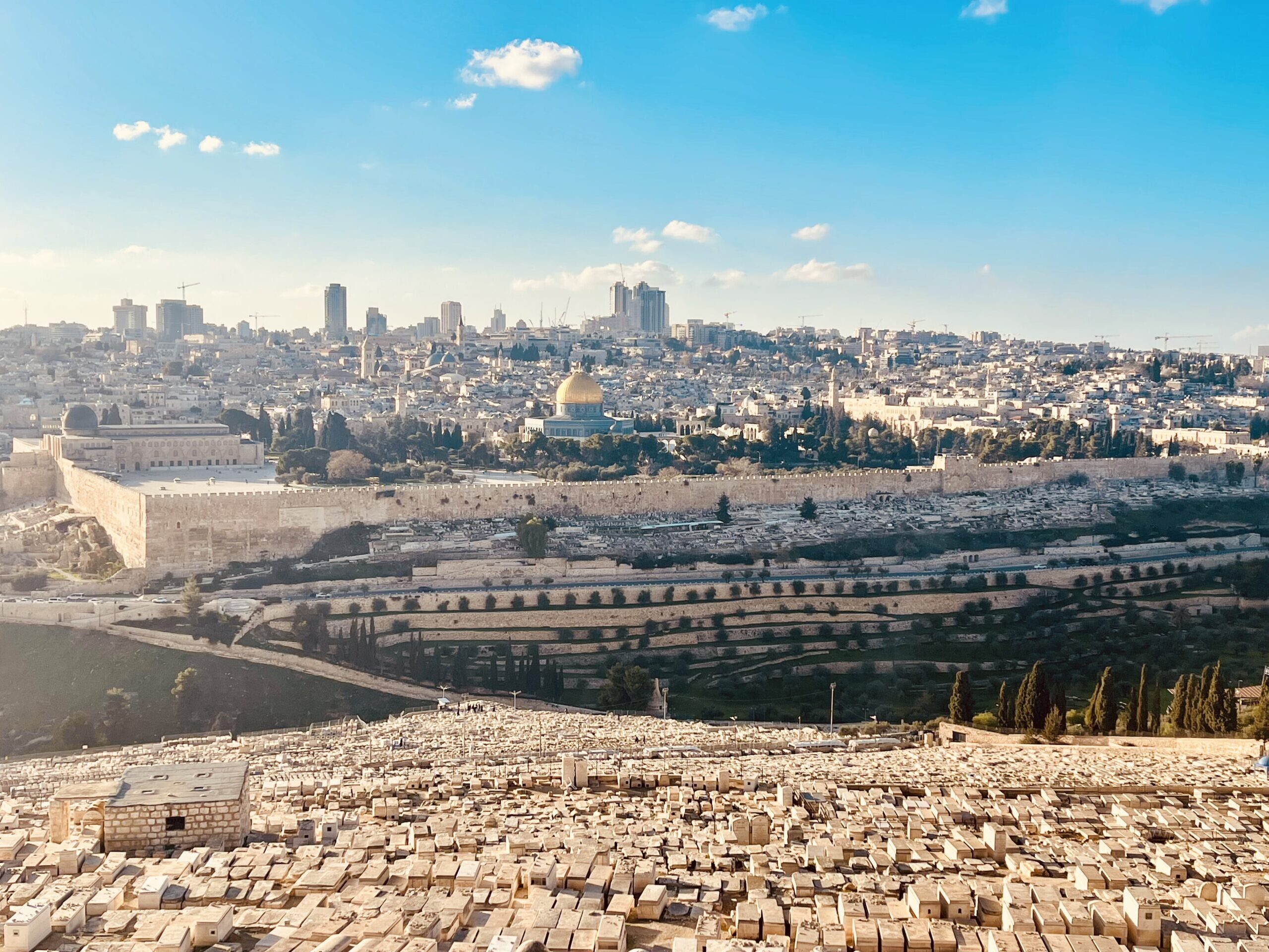
Jerusalem is the most frequently mentioned city in the Bible (over 800 times) and serves as the spiritual, political, and prophetic center of God’s redemptive plan throughout Scripture. Jerusalem was conquered by King David, who made it Israel’s capital and brought the Ark there (2 Samuel 5:6–7; 6:12–15). Solomon built the Temple on Mount Moriah, establishing Jerusalem as the place where God chose to put His name (1 Kings 6–8; 2 Chronicles 3:1; 6:6), and prophets like Isaiah and Zechariah spoke of its future glory and the nations coming to worship there (Isaiah 2:2–3; Zechariah 8:3).
In the New Testament, Jerusalem became the setting for Jesus’ triumphal entry, ministry, death, and resurrection, as well as the birthplace of the early church at Pentecost (Matthew 21:1–11; Acts 1:8; 2).